
One of the most important capacities you can develop as a leader is the ability to stay connected to people who believe differently than you. That sounds simple, but anyone who has tried it knows how quickly beliefs—yours or someone else’s—can stir anxiety. Understanding how belief functions in the brain and in relationship systems gives you a clearer path toward leading with steadiness rather than reactivity.
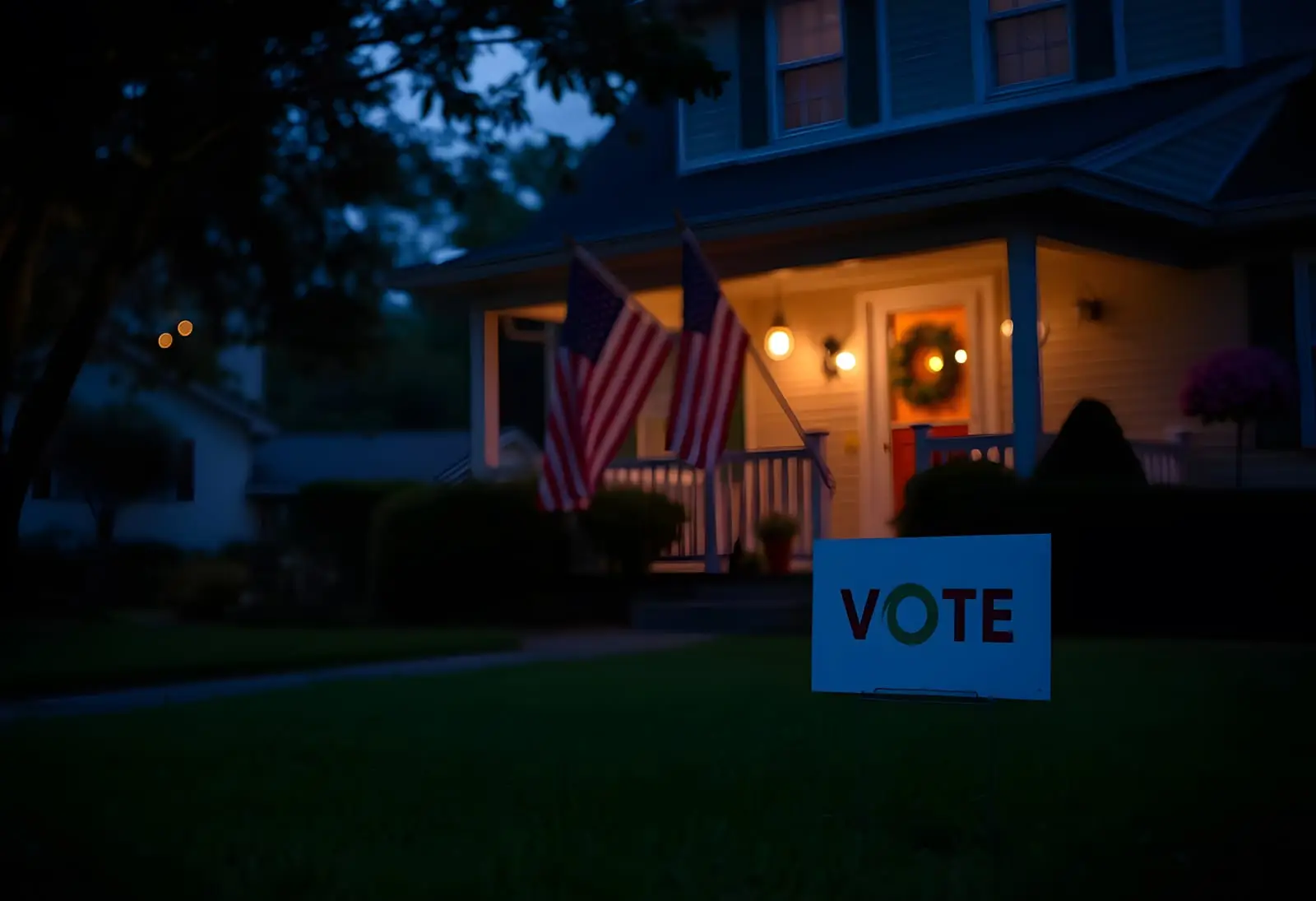
I realized this in 2020 on my regular running route. Over several months, more and more political flags appeared in my neighborhood. At first the flags annoyed me. But eventually, I realized that the people flying those flags were my neighbors—people I knew, people I liked. That sparked a deeper question: How can well‑meaning, rational people hold such different convictions?
The answer begins with understanding the difference between facts, opinions, beliefs, and faith.
Facts, Opinions, Beliefs, and Faith
A fact is verifiable.
An opinion is a judgment based on facts.
Belief is rooted in values, culture, identity, or moral frameworks. It’s a conviction based on a cultural or personal faith, morality, or values. Some beliefs can neither be proved nor disproved, making them inarguable.
Faith goes even further. It’s trust without the need for proof.
This distinction matters because you cannot argue someone out of a belief. You can offer facts. You can share your opinion. But belief lives in a different part of the brain—literally.
Why Belief Feels So Personal
Researchers at UCLA found that when people assess statements they believe to be true, activity lights up in the ventromedial prefrontal cortex—the part of the brain associated with emotion, reward, and self‑representation. This is a part of the brain that is not necessarily rational. It explains why sometimes when our beliefs are challenged, we get emotional.
This is why conversations about politics, religion or social issues can escalate so quickly. When belief is activated, identity is activated. And when identity is activated, anxiety is not far behind.
Three Functions of Belief in Systems
Belief isn’t just personal, it’s systemic. It serves three predictable functions:
- Belief creates group cohesion.
Families, congregations, and cultures all use belief to define who “we” are. Sometimes this is healthy. Sometimes it becomes surrounding togetherness pressure. As Seth Godin says, “People like us do things like this.” - Belief maintains homeostasis.
Systems resist change. Belief often becomes the justification for keeping things the way they are. A church I pastored once bought a new piano. We offered the old one, which was in great shape, to another church whose piano had multiple broken keys. They declined our offer because they believed their piano was “just fine.” - Belief saves energy.
The brain uses shortcuts—heuristics—to navigate complexity. Belief helps us fill in gaps quickly. But shortcuts can become stereotypes, prejudice, or worse. Daniel Kahneman captures this tension well when he says, “Considering how little we know, the confidence we have in our beliefs is preposterous, and it is also essential.”
Understanding these functions helps you lead with more clarity and less frustration. You stop trying to win arguments and start focusing on your own functioning.
So how do you stay connected without getting swept into reactivity?
Regulate yourself first.
You can’t control someone else’s emotional process. You can only manage your own. When you feel the pull to react, pause. Breathe. Re‑center.
Say what you believe while giving others the freedom to disagree.
Statements like “You don’t have to agree with me” or “I may be wrong, but here’s how I see it” create emotional space. They signal that you are defining yourself, not trying to define the other.
Don’t engage anxious reactivity.
If someone is defining others, blaming, or escalating, it’s not the moment for a substantive conversation. It’s process, not content. Arguing content when someone is defending their beliefs will increase anxiety and lead to a conflict of wills.
Use playfulness when appropriate.
Playfulness lowers anxiety and signals that the relationship matters more than the issue. When my brother‑in‑law joked that he had “spit on” my political yard sign, my playful response was, “That’s okay, it’s made of plastic.” Instead of taking it personally, I responded to his joke with my own.
Agree to disagree when needed.
This isn’t a cop‑out. It’s a strategy for preserving relationships and lowering emotional intensity so real work can continue. When my denomination, The United Methodist Church, was going through its schism, this approach enabled me and my colleagues who were leaving to preserve our relationship.
You will encounter people whose convictions feel foreign, frustrating, or even threatening. Your task is not to change them. Your task is to remain a non‑anxious presence. This enables you to be a self, while allowing others to do the same.
That is the essence of non‑anxious leadership.